
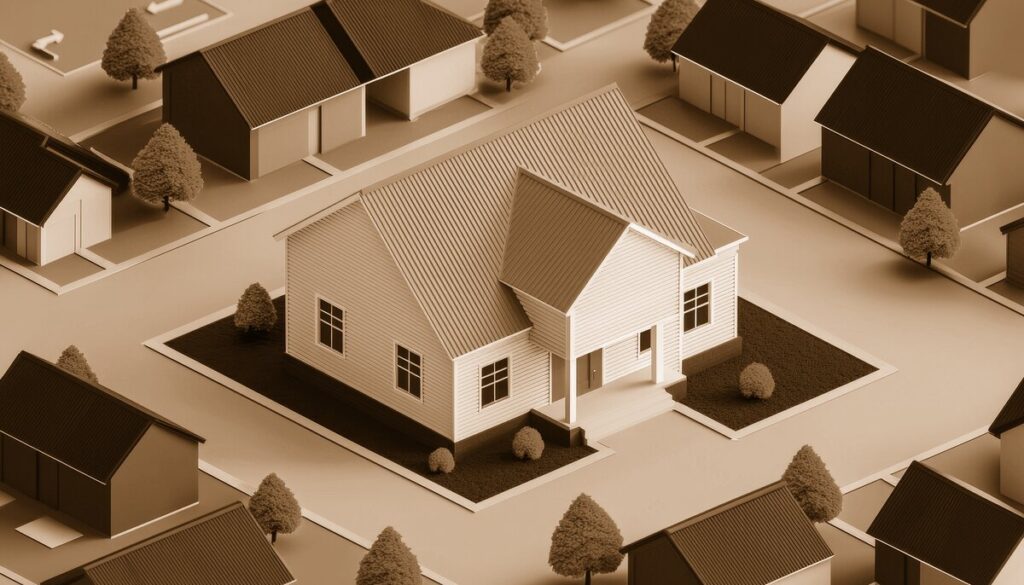
Nestled within the vibrant community of Ewa Beach, Kipuka is a neighborhood that balances modern growth with deep-rooted heritage. Ask any longtime resident, and you’ll hear how Kipuka has become much more than a collection of homes—it’s a place where stories, landscapes, and aloha spirit have shaped a unique identity within Oʻahu’s leeward coast.
The Origins of Kipuka
Kipuka takes its name from a Hawaiian word meaning “an opening” or “island of older land surrounded by younger lava flows.” In Hawaiian culture, a kipuka is a protected area, a small patch of earth spared by the molten rivers that transform the land. In Ewa Beach, the Kipuka neighborhood—found near the crossroads of Kapolei Parkway and Keoneʻula Boulevard—lives up to its namesake as a welcoming enclave among the wave of new developments.
Ewa Beach itself has a long history stretching back to the earliest Native Hawaiian settlements. The area was famed for the loko iʻa, or ancient fishponds, and fertile fields supported by abundant sunshine and fresh water. Kipuka carries echoes of these traditions, even amid its modern streets.
Growth and Milestones
The story of Kipuka is intertwined with the evolution of the Ewa Plain. Throughout the 20th century, this region transitioned from sprawling sugar cane plantations to one of Oʻahu’s fastest-growing residential corridors. The Campbell Estate played a pivotal role in the area's transformation, releasing lands for housing as the sugar industry waned.
Kipuka’s development began in earnest in the early 2000s as part of the greater Hoakalei Resort and residential expansion. Early homes were carefully planned with a focus on family living and open spaces. The neighborhood’s layout, marked by looped roads like Kipuka Street and branching cul-de-sacs, encourages a close-knit, neighborly feel.
Key milestones in Kipuka’s journey include:
- The establishment of the Kipuka at Hoakalei gated community, which brought new amenities and security for residents.
- The creation of beautifully landscaped parks and recreation spaces, blending green open areas with playgrounds for children.
- The nearby opening of the Hoakalei Country Club, home to championship golf and sweeping views that have become icons of Ewa Beach leisure.
Notable Landmarks and Streets
A stroll through Kipuka reveals landmarks that anchor the community’s identity. At its southern border, Kipuka Park is a tranquil green space where families gather for picnics, keiki play on modern equipment, and neighbors greet one another under shady palms. Walking paths here connect with the larger Hoakalei walking trail, tying Kipuka to the broader Ewa Beach network.
Kipuka Street, the neighborhood’s central artery, winds gently among clusters of homes, while Paʻaona Place and Kaulainahee Place are smaller side streets where holiday lights and garage sales invite everyone to slow down and enjoy the moment.
While the architecture leans modern—with single-family homes and tidy yards—subtle references to Hawaiian heritage are everywhere. Lava rock walls, native landscaping featuring hibiscus and ti plants, and decorative motifs on gateposts nod to Kipuka’s connection with the ʻāina (land).
Schools and Community Institutions
Education and ʻohana (family) are pillars in Kipuka’s social fabric. The neighborhood is served by esteemed institutions in Ewa Beach:
- Keoneʻula Elementary, just northeast of Kipuka, is a vibrant public school known for its innovative programs and community involvement.
- Ewa Makai Middle School and James Campbell High School are within a short drive, continuing the tradition of academic and athletic excellence.
Nearby, the Hoʻalauna Park and the Ewa Beach Public & School Library provide gathering spaces and resources for learners of all ages.
Evolution Through the Decades
Over the past two decades, Kipuka has gracefully navigated the balance between honoring its heritage and embracing the promise of tomorrow. The early years saw new families planting roots and community events—block parties, garage sales, and holiday parades—stitching together a tight-knit network. As new developments rose around Ewa Beach, Kipuka became celebrated for its sense of place: a sanctuary where people feel connected to both each other and the land’s history.
Homeowners’ associations and community watch groups have become increasingly active, prioritizing sustainability, safety, and the preservation of communal spaces. Regular clean-up days and volunteer efforts echo the Hawaiian value of mālama ʻāina—caring for the land.
With the growth of retail and dining options along Keoneʻula Boulevard and Kapolei Parkway, residents enjoy the convenience of modern amenities while staying rooted in the traditions that define Ewa Beach. The evolution of Kipuka mirrors the broader story of West Oʻahu: a region constantly growing, yet mindful of its cherished past.
Why Kipuka Feels Like Home
What truly sets Kipuka apart is the spirit that lives within its boundaries. It’s the friendly greeting from neighbors, the laughter of children at play, and the shared pride in living upon storied land. The name “Kipuka” speaks to its special role on the Ewa Plain—a protective island amid waves of change.
In Kipuka, history isn’t something you only read about; it’s present in the land beneath your feet, the traditions passed down at school gatherings, and the shared commitment to aloha that defines this slice of Ewa Beach.
From quiet walks along Kipuka Street to community celebrations at the neighborhood park, residents know they are part of something enduring: a place where the past, present, and future are linked, and where every sunrise feels like a new beginning.